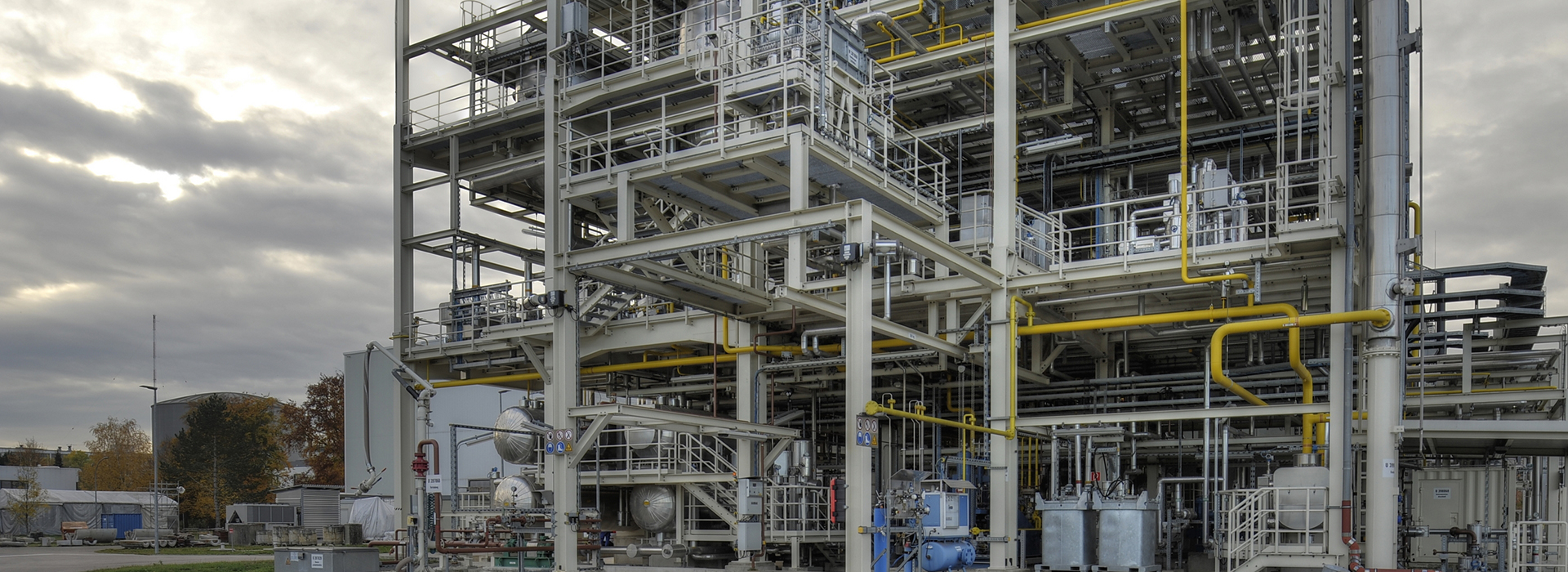
Institute of Catalysis Research and Technology (IKFT)
The Institute of Catalysis Research and Technology was founded 2011. Its mission is to bridge the gap between fundamental and applied research and the development of new technologies and products in the field of catalysis and process technology of catalyzed processes. The focus of our work is the sustainable utilization of alternative feedstocks and their conversion into energy carriers intermediates. This includes the development of new catalytic systems based on a fundamental understanding of processes on a molecular level. The institute receives basic funding from the Helmholtz Association's program-oriented funding, largely in the Energy research field in the program Materials and Technologies for the Energy Transition.
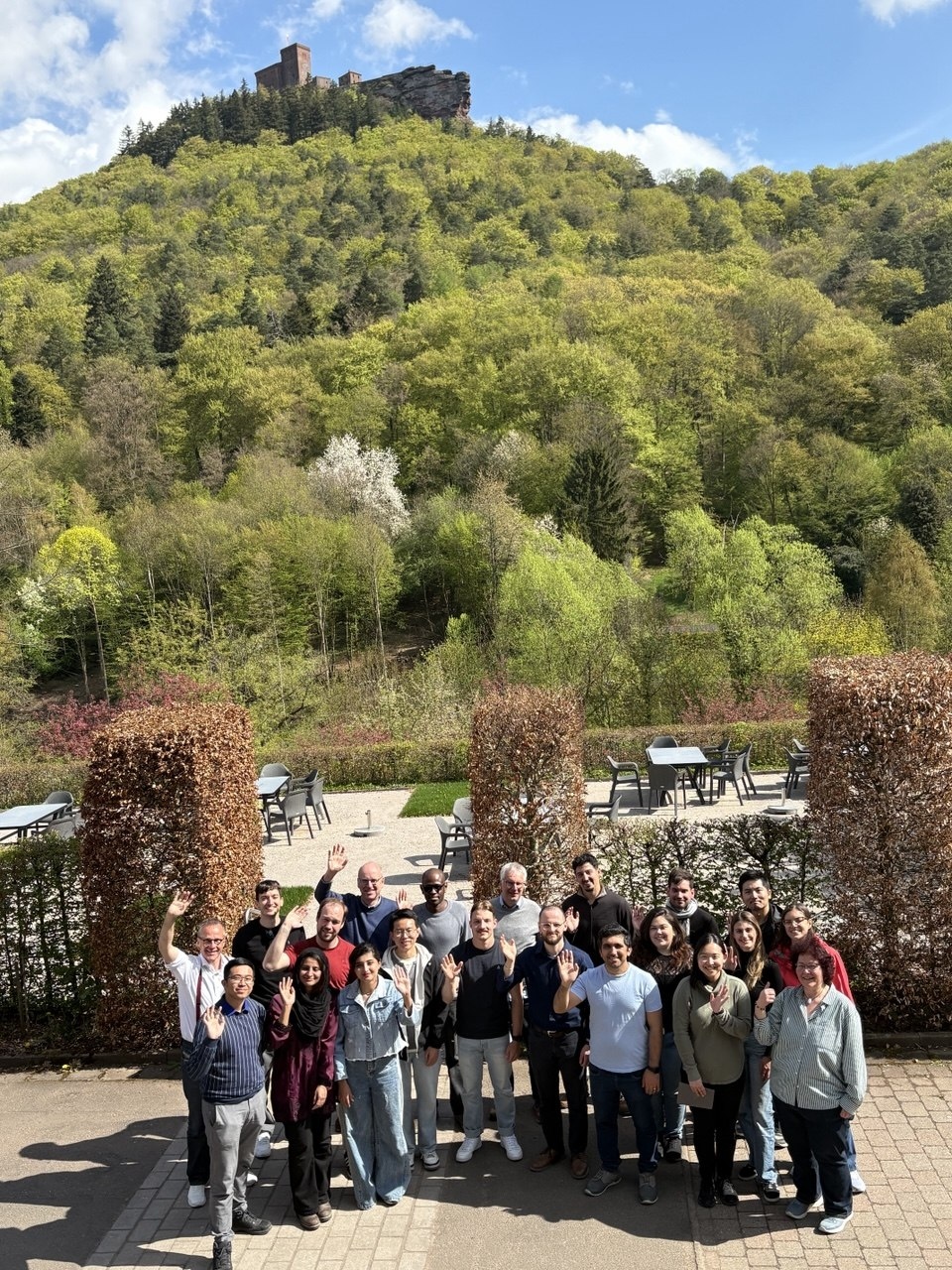
Die an der Fakultät für Chemieingenieurwesen und Verfahrenstechnik promovierenden Doktorand:Innen des IKFT haben in Annweiler am Trifels ein intensives Training zu Storytelling und Präsentationstechniken absolviert.
Link_more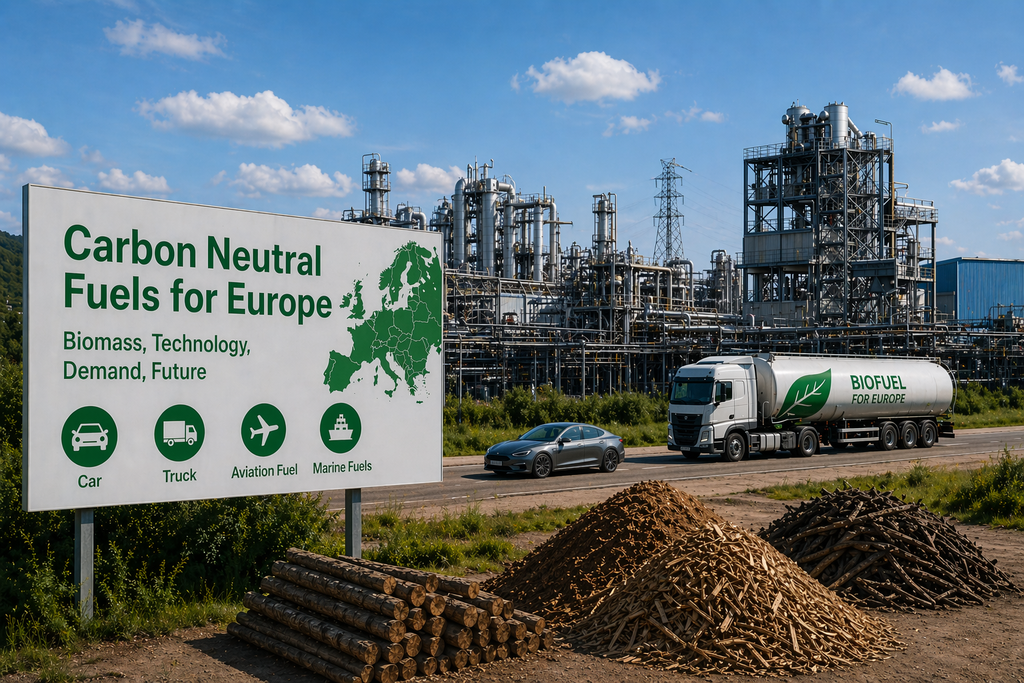
Commissioned by BMW, KIT has prepared a widely acclaimed study on the potential of CO2-neutral fuels (CNF) based on biomass. The study reveals that renewable fuels represent a viable, scalable pillar for road transport without fossil CO in the EU.
more_rdax_1024x643_98.png)
The 5th edition of the Syngas Convention took place between the 22nd and the 25th of March in Cape Town, South Africa. The Care-O-Sene project, which is a cooperation between partners in South Africa and Germany for the development of sustainable aviation fuels, was strongly represented in the conference, with lectures from academia and industry.
more_rdax_1024x576_98.png)
Power‑to‑liquid (PtL) technologies are central to scaling sustainable aviation fuels (SAF) and reducing dependence on fossil‑based feedstocks. In our recent study, we benchmark two commercially relevant Fischer–Tropsch catalysts—20 wt.% Co on Al₂O₃ and TiO₂–SiO₂ supports—under industrial conditions. The TiO₂–SiO₂–supported catalyst delivers about 10% higher activity, higher C₅⁺ selectivity, and reduced methane formation.
more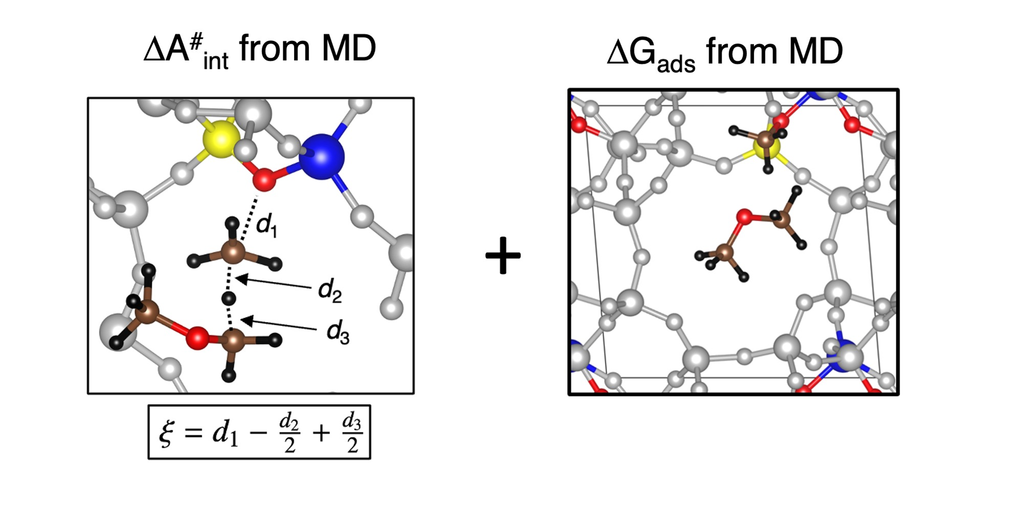
Accurate molecular dynamics (MD) simulations were performed to study the formation of formaldehyde in H-SSZ-13. Use a recently developed approach, apparent activation free energies were computed, in conjunction with accurate electronic energies using RPA calculations. This allows to judge the impact of formaldehyde in the initiation of the MTO process.
more
We congratulate Wen Yanjun on successfully passing his doctoral examination on 17 March at the KIT Faculty of Chemical Engineering and Process Engineering.
He completed his doctoral research in Klaus Raffelt’s research group on the topic ‘Optimisation and exploration of catalysts for the hydrodeoxygenation upgrading of bio-oil through experiments and DFT calculations’.
moreVeranstaltungskalender
Advanced Catalyst and Reactor Engineering for Efficient Hydrogen Release from Perhydro Benzyltoluene
Advanced Catalyst and Reactor Engineering for Efficient Hydrogen Release from Perhydro-Benzyltoluene
Hydrogen storage via liquid organic hydrogen carriers (LOHCs) such as perhydro-benzyltoluene (H12-BT) is a promising route for safe, reversible, and compact hydrogen storage under ambient conditions.1 Recent developments in both catalyst design and reactor engineering have significantly enhanced dehydrogenation performance, a critical step for hydrogen release. In this study the performance of bimetallic platinum-rhenium (PtRe) catalysts2 supported on Al₂O₃ was investigated and optimised for dehydrogenation in a continuous three phase slurry reactor. The slurry reactor represents a promising alternative to conventional fixed-bed reactor designs. Superior heat management and rapid separation of released hydrogen mitigate the dewetting effects commonly encountered in endothermic LOHC dehydrogenation processes.
Modification of the PtRe/Al2O3 catalysts focussed on the influence of support morphology, surface chemistry, and synthesis conditions. By tailoring synthesis procedures—including support calcination parameters and the order of metal precursor during sequential impregnation—and analysing the resulting catalysts by ICP-AES, XRD, CO-pulse chemisorption, NH3-TPD, TEM, and N₂ physisorption, observed effects on catalyst productivity and dehydrogenation activity were characterised. Additional selective sulphur poisoning resulted in improved by-product suppression. The findings provide critical insight into the optimisation of metal-support interactions and preparation methods to enhance hydrogen release kinetics and catalyst lifetime.
The slurry reactor demonstrated stable long-term operation at elevated temperatures (330 °C) and pressures (4.7 barg), with high platinum-based productivity and low by-product formation. Operation parameters, such as stirrer speed, temperature, pressure, and feed rate, were systematically varied to optimise space-time-yield and degree of dehydrogenation. Kinetic analyses based on Arrhenius parameters were conducted to deepen mechanistic understanding. Catalyst and reactor performance were benchmarked using both commercial and custom-designed platinum-based catalysts, including S-poisoned Pt/Al₂O₃ and PtRe/Al₂O₃ formulations. Ultimately, the synergy between advanced Pt-based catalysts and optimised slurry reactor design enabled a significant enhancement in hydrogen release efficiency from H12-BT.
This study highlights a holistic approach to LOHC dehydrogenation by combining rational catalyst design with innovative reactor engineering. The integration of tailored PtRe catalysts and continuous slurry reactor operation establishes a robust framework for improving the viability and scalability of hydrogen storage technologies in real-world energy systems.
1. E. Herzinger, M. Wolf, Chem. Ing. Tech. 2024, 96, 65.
2. D. Strauch, P. Weiner, B. B. Sarma, A. Körner, E. Herzinger, P. Wolf, A. Zimina, A. Hutzler, D. E. Doronkin, J.-D. Grunwaldt P. Wasserscheid, M. Wolf, Catal. Sci. Technol. 2024, 7, 1775
Elisabeth Herzinger
IKFT